Integrated Alert Systems and Stake Calculators Expand Reach Into Multi-Market Betting Strategies
Written by Freya Butler · Nov 2, 2026
Integrated Alert Systems and Stake Calculators Expand Reach Into Multi-Market Betting Strategies
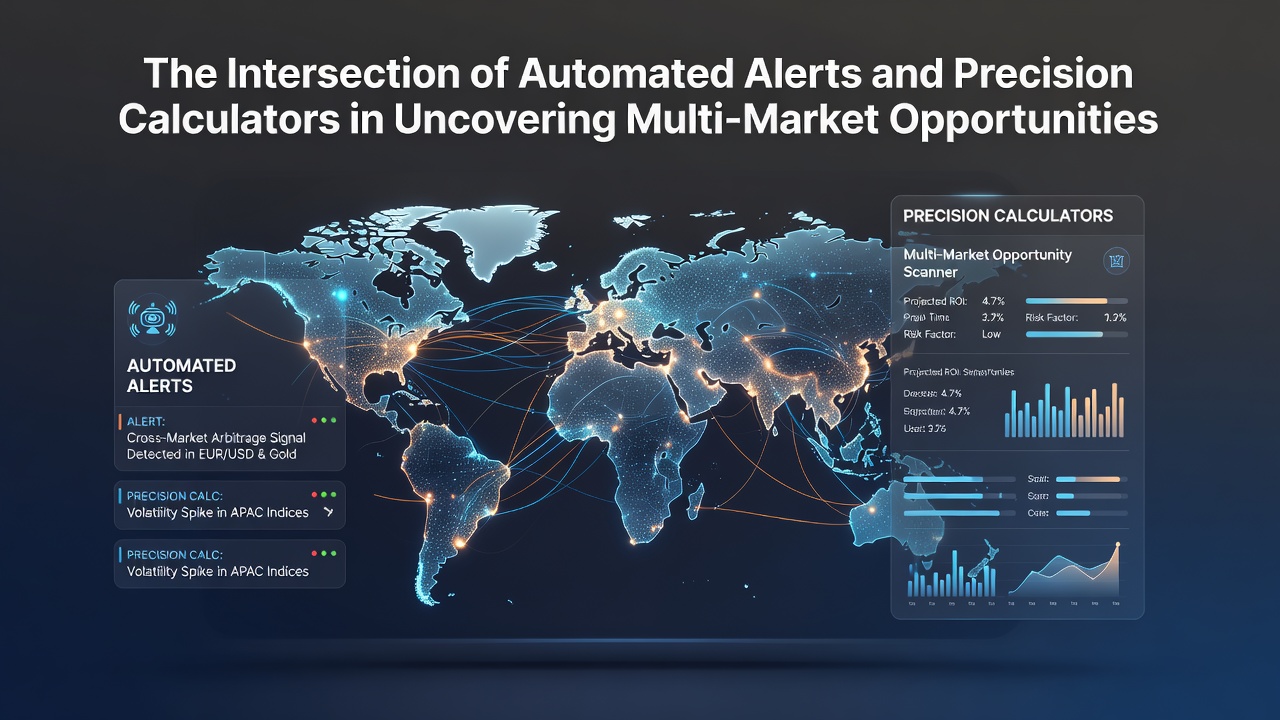
Data from global betting platforms shows that automated alert systems now integrate directly with precision stake calculators to identify opportunities spanning multiple markets and regions, and this combination allows users to respond to odds variations before they close. Observers note that scanners monitor dozens of bookmakers simultaneously while calculators adjust stake amounts across correlated events such as football and tennis markets that share liquidity pools.
Research indicates the approach gained traction as bookmakers expanded their international offerings, and figures from November 2026 reveal increased activity in cross-border lines where time zone differences create temporary pricing gaps. Those who study these patterns point out that alerts flag discrepancies in real time, after which calculators compute exact stakes that lock in returns regardless of outcome combinations.
How Scanners Detect Multi-Market Discrepancies
Automated scanners track odds across dozens of operators in different jurisdictions, and they highlight instances where implied probabilities diverge enough to permit arbitrage when combined with precise stake distribution. Studies found that such tools process thousands of data points per minute, while human monitoring alone cannot match that speed during peak periods around major tournaments.
One example involves simultaneous monitoring of European football leagues and North American basketball spreads, where liquidity shifts in one market influence pricing in the other due to shared bettor pools. Data shows these connections appear more frequently when major events overlap in the calendar, and November 2026 saw several such windows open during concurrent international competitions.
Precision Calculators Translate Alerts Into Actionable Stakes
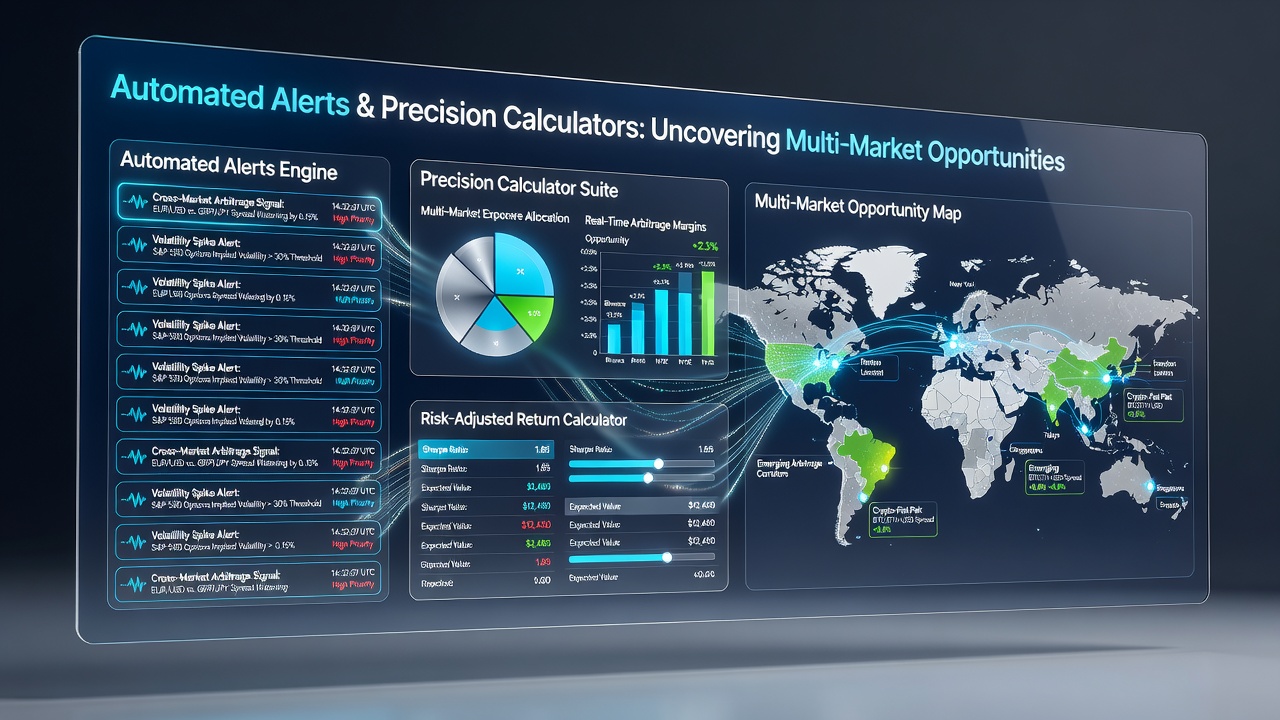
Once an alert triggers, precision calculators determine the exact amounts to place at each bookmaker so that the total return remains fixed across all possible results. This process accounts for varying margins, currency conversions, and maximum stake limits that differ by operator and region. Evidence suggests the calculations incorporate live odds feeds to avoid rounding errors that could erode small edges.
Users apply these tools across matched betting promotions and pure arbitrage scenarios alike, and the integration reduces manual errors that previously occurred when stakes were estimated without software assistance. Reports from the Australian Gambling Research Centre indicate that operators in multiple markets have observed faster settlement patterns when bettors employ such paired systems.
Cross-Regional Applications and Data Trends
European and Asian markets present distinct regulatory environments that affect how alerts and calculators operate, and operators in Canada and Australia have reported similar patterns of multi-market activity. According to figures released by the Responsible Gambling Council of Canada, coordinated use of these tools correlates with higher volumes in cross-league betting during late 2026.
Scanners now incorporate filters for specific market types such as over-under totals and player props, while calculators adjust for live odds movements that occur after initial alerts. This layered approach lets participants target opportunities that span pre-match and in-play segments without separate monitoring interfaces.
Technical Integration and Platform Developments
Software providers have begun embedding calculator modules directly into alert dashboards, which eliminates the need to switch between separate applications during time-sensitive windows. The result appears in reduced latency between detection and placement, and platform logs from November 2026 show shorter intervals between alert generation and stake finalization across multiple accounts.
Those monitoring industry infrastructure note that API connections between scanner services and calculator engines now handle currency and odds format conversions automatically, and this reduces friction for users operating across borders where different number formats apply. Data indicates error rates drop when these functions run within a single workflow rather than through manual transfers.
Conclusion
The combination of automated alerts and precision calculators continues to shape how multi-market opportunities are identified and executed across global platforms, and available data from late 2026 demonstrates measurable increases in coordinated activity. Observers expect further refinements in integration as operators expand their offerings and data feeds improve in speed and accuracy.